Feline Respiratory Health
Facts, Prevention & Care
In multi-cat homes and cattery environments, respiratory illnesses can sometimes occur despite thoughtful care, vaccination, and clean husbandry. This page is here to offer clear, calm education about some of the more common causes of feline respiratory and eye irritation, including feline herpesvirus, calicivirus, and Chlamydia felis.
Our goal is not to alarm, minimize, or overwhelm. Instead, we believe responsible stewardship begins with understanding: knowing what signs may be mild, what signs deserve veterinary attention, and how stress, immunity, vaccines, and environment all play a role in feline health.
At Blóthmáni MC, transparency is part of care. We would rather educate families honestly than hide from the realities that can exist wherever cats live, grow, travel, and transition into new homes.
Understanding Common Respiratory Illnesses
Not every watery eye, sneeze, or small amount of crusting means severe illness. In feline environments, several respiratory illnesses are considered relatively common, especially where cats live closely together, experience stress, travel, or encounter environmental changes.
While some cases can become more significant, many remain mild or manageable with monitoring, supportive care, and veterinary guidance. Understanding the differences between these illnesses helps separate internet myths from practical feline stewardship.
Feline Herpesvirus (FHV-1)
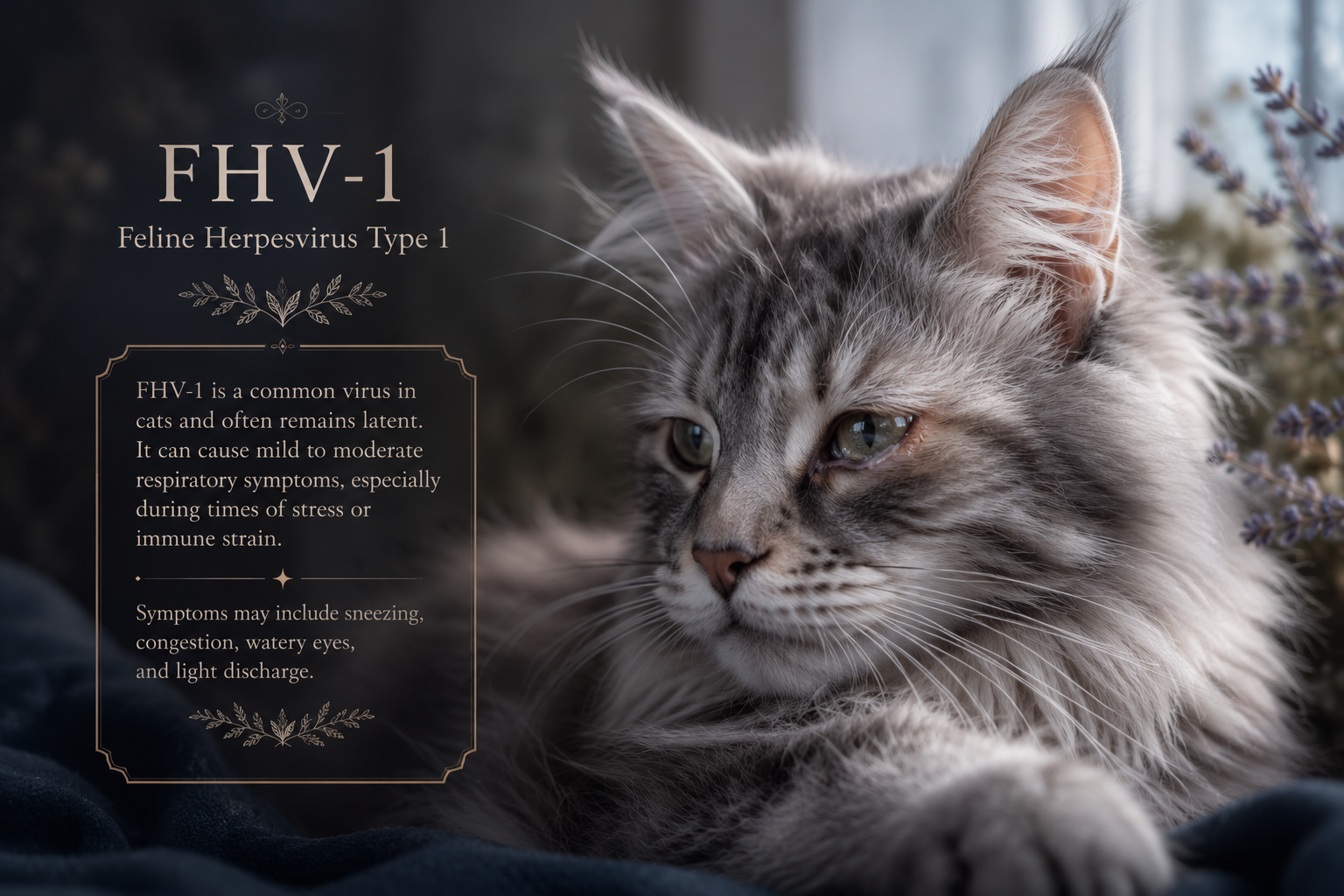
Feline herpesvirus is one of the more common respiratory illnesses discussed in cats, particularly in multi-cat environments. Many cats exposed to FHV-1 may go long periods without obvious symptoms, while others can experience intermittent flare-ups during times of stress or immune strain.
FHV-1 often affects the eyes and upper respiratory system. Mild watery eyes, occasional sneezing, or temporary irritation may occur during flare-ups, though severity can vary between individual cats. In more significant cases, inflammation, squinting, or eye ulcers may develop and require veterinary treatment.
One important characteristic of herpesvirus is latency. After exposure, the virus can remain dormant within the body and reactivate later during stressful events such as travel, rehoming, surgery, pregnancy, environmental changes, or illness.
Exposure or carrier status does not automatically mean a cat is severely ill. Many cats live comfortably with mild or infrequent symptoms, especially when stress is minimized and supportive veterinary care is provided when needed.
Calicivirus (FCV)
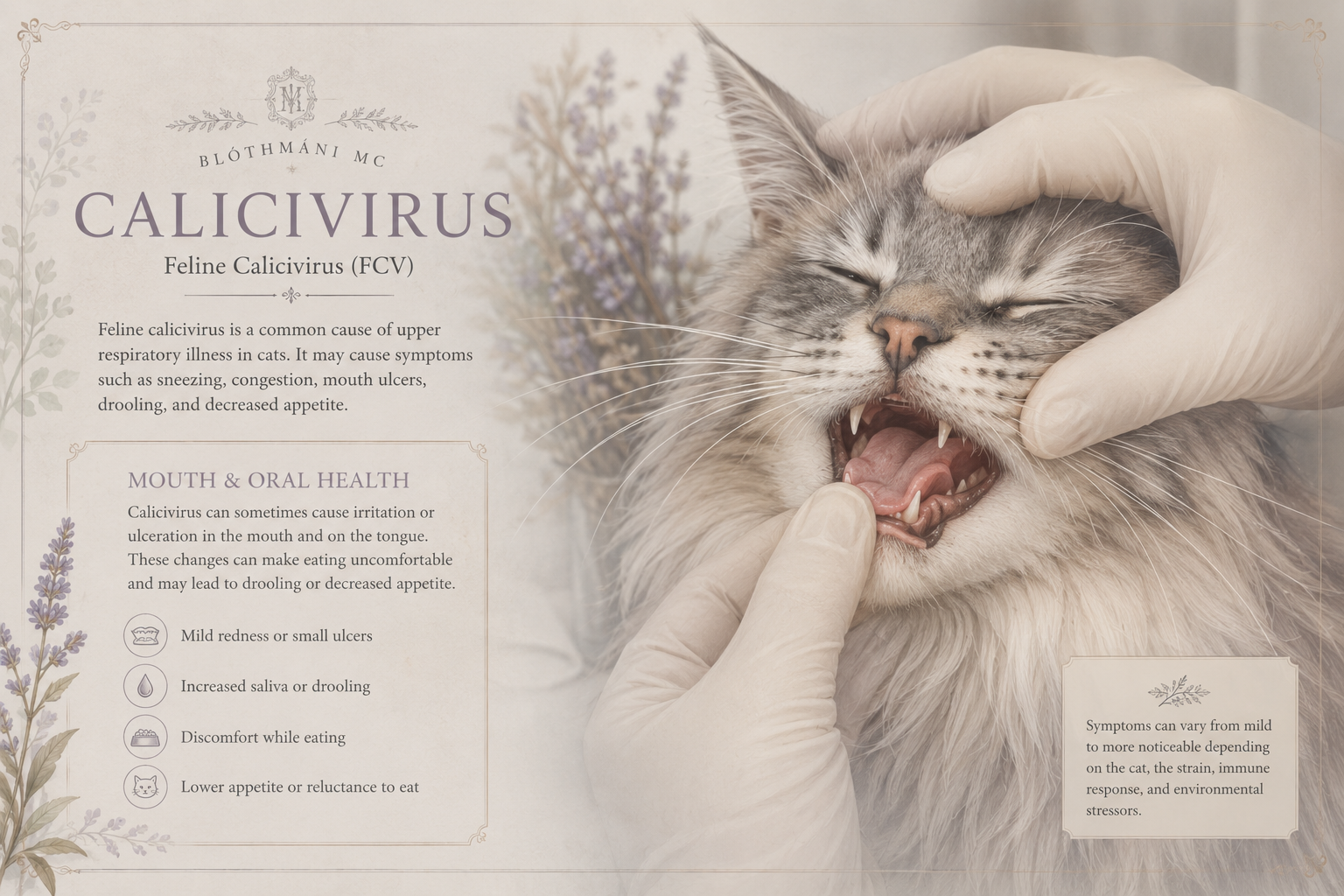
Feline calicivirus is another common respiratory illness seen in cats, particularly in shelters, rescues, breeding environments, and other multi-cat settings. Like many respiratory illnesses, symptoms can vary significantly from one cat to another.
Mild cases may involve sneezing, congestion, watery eyes, or temporary discomfort. Some cats may also develop oral irritation or ulcers along the tongue and mouth, which can make eating uncomfortable during active flare-ups.
While many cases remain manageable and improve with supportive care, more severe forms of calicivirus can occasionally occur. Factors such as age, immune health, stress, environment, and secondary infections may all influence severity.
Vaccination helps reduce the risk of serious illness, though it does not always prevent exposure entirely. As with many feline respiratory illnesses, early monitoring and veterinary guidance remain important whenever symptoms become more significant or persistent.
Chlamydia felis
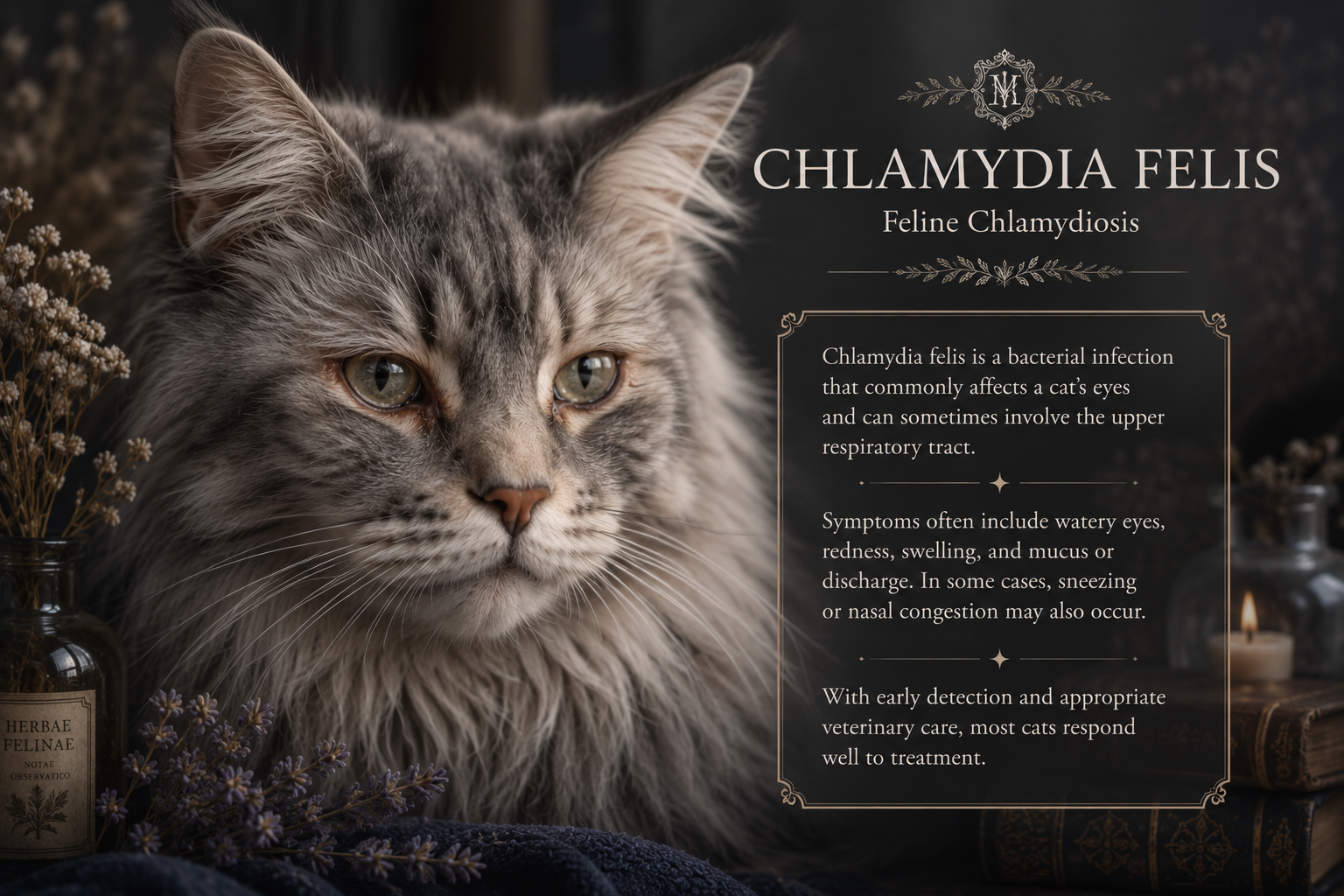
Chlamydia felis is a bacterial infection that primarily affects the eyes and upper respiratory system in cats. It is most commonly associated with conjunctivitis, which may cause redness, watery discharge, squinting, or irritation around the eyes.
In some cats, symptoms remain mild and temporary, while others may experience more noticeable inflammation or discomfort. Because several feline respiratory illnesses can look similar in the early stages, veterinary evaluation is often helpful when eye irritation becomes persistent or worsens over time.
Unlike viral respiratory illnesses such as herpesvirus or calicivirus, Chlamydia felis is bacterial in nature and may respond well to appropriate antibiotic treatment when diagnosed by a veterinarian.
As with many respiratory illnesses, stress, crowding, environmental changes, and close feline contact can all influence how easily symptoms spread within multi-cat settings.
Mild Symptoms vs. More Serious Symptoms
Not every sneeze or watery eye signals a medical emergency. Mild respiratory irritation can occur for many reasons, especially during stressful periods such as travel, rehoming, environmental changes, or adjustment to new surroundings. However, some symptoms deserve closer monitoring and more prompt veterinary attention.
Mild Symptoms Often Seen
Mild symptoms may include occasional sneezing, watery eyes, light crusting, temporary congestion, or mild eye irritation while a cat otherwise continues eating, drinking, playing, and behaving normally.
In many cases, these symptoms remain manageable with monitoring, reduced stress, hydration, supportive care, and communication with a veterinarian if symptoms persist.
Symptoms That May Need Veterinary Attention
More concerning symptoms can include swollen or painful eyes, thick yellow or green discharge, difficulty breathing, refusal to eat, dehydration, lethargy, persistent fever, or visible ulcers affecting the eyes or mouth.
Kittens, senior cats, and immune-compromised cats may be more vulnerable to complications and should be monitored especially closely when respiratory symptoms appear.
Why Stress Matters
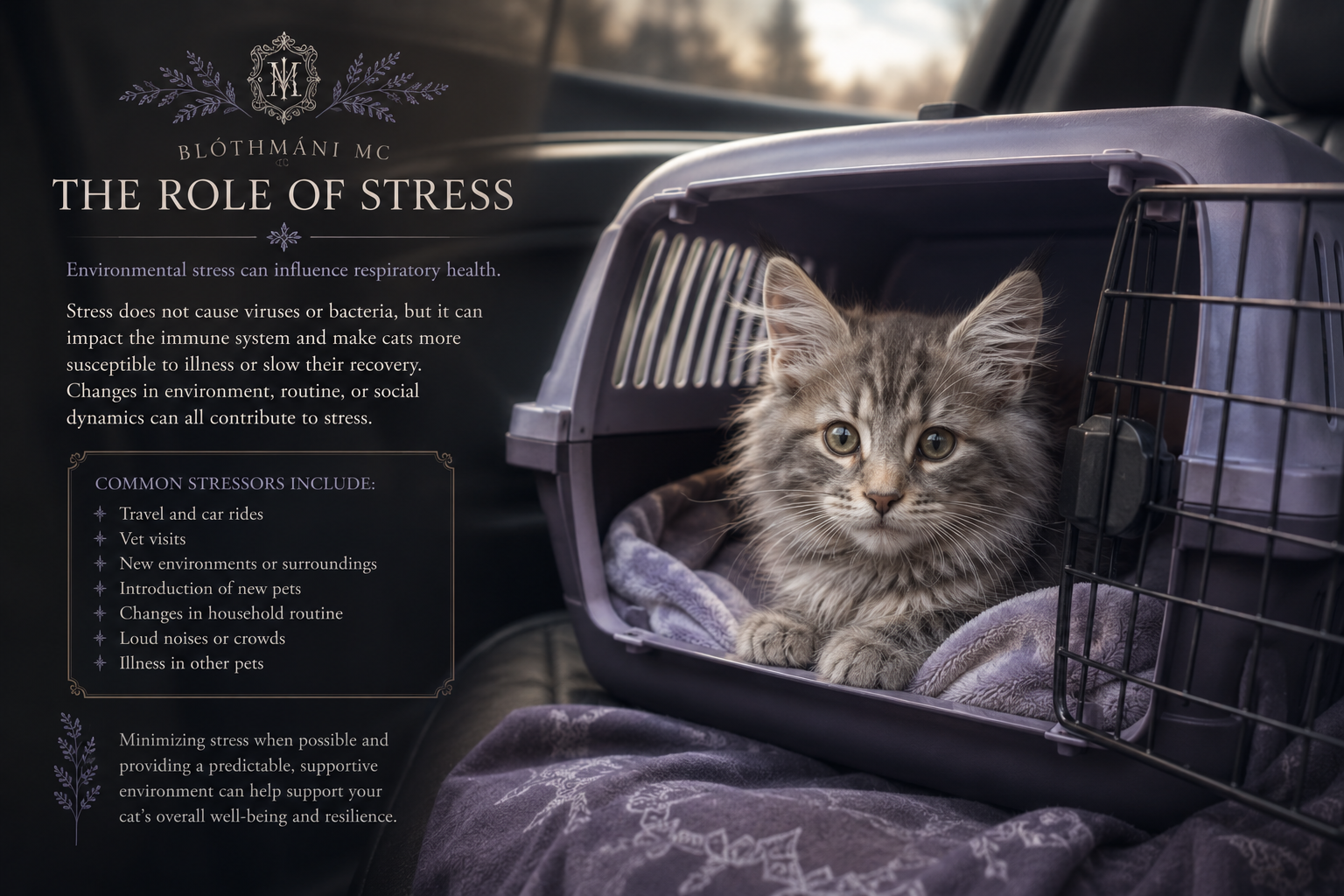
Stress plays a significant role in feline respiratory health. Even well-cared-for cats may experience temporary flare-ups or mild symptoms during periods of physical or emotional stress, particularly when underlying respiratory illnesses remain dormant within the body.
Events such as travel, rehoming, introducing new cats, pregnancy, surgery, environmental changes, disrupted routines, or immune strain can all affect how the body responds to respiratory illness exposure or latency.
Common Stressors in Cats
Cats are highly sensitive to environmental change. Even positive transitions, such as moving into a loving new home, can temporarily increase stress levels while a cat adjusts to unfamiliar smells, sounds, routines, people, or animals.
In multi-cat settings, stress may also be influenced by overcrowding, social tension, sudden routine changes, poor ventilation, travel, or recovery from illness or surgery.
Supporting Immune Health
Reducing stress does not guarantee that respiratory symptoms will never occur, but supportive environments can help many cats recover more comfortably and experience fewer or milder flare-ups over time.
Consistent routines, good nutrition, hydration, clean living spaces, proper ventilation, veterinary care, and thoughtful transitions all play an important role in supporting long-term feline wellness.
Vaccination & Prevention

Vaccination remains one of the most important tools in reducing the severity of common feline respiratory illnesses. While vaccines do not always prevent exposure entirely, they help support immune response and may reduce the risk of more serious illness or complications.
The standard FVRCP vaccine is designed to help protect against several common feline respiratory viruses, including feline herpesvirus and calicivirus. Vaccination schedules should always be discussed with a trusted veterinarian based on age, lifestyle, environment, and overall health.
Prevention Beyond Vaccination
Respiratory health is influenced by more than vaccines alone. Clean environments, proper ventilation, reduced overcrowding, stress management, quarantine procedures for new or ill cats, nutrition, hydration, and routine veterinary care all contribute to healthier feline environments.
Even in carefully managed homes or catteries, occasional respiratory illness may still occur. Responsible prevention focuses on reducing risk, supporting immune health, monitoring symptoms early, and responding appropriately when concerns arise.
The Importance of Early Monitoring
Paying attention to changes in appetite, energy levels, breathing, eye appearance, or nasal discharge can help identify when a mild issue may be becoming more significant. Early veterinary guidance is often beneficial when symptoms worsen, persist, or begin affecting comfort and daily function.
Careful observation, honest communication, and prompt support are all part of responsible feline stewardship.
Our Philosophy at Blóthmáni MC
At Blóthmáni MC, we believe responsible breeding includes education, transparency, and thoughtful long-term stewardship. Respiratory illnesses are a reality that can exist in shelters, rescues, catteries, veterinary settings, and multi-cat homes alike, even when animals are loved and carefully cared for.
Rather than pretending these illnesses never exist, we believe it is more responsible to discuss them honestly, monitor our cats carefully, maintain strong veterinary relationships, and help families understand both prevention and early symptom recognition.
Our Approach to Care
We prioritize clean environments, reduced stress, careful observation, vaccination, appropriate quarantine practices when needed, and ongoing communication with veterinary professionals. Every cat is monitored as an individual, because health responses can vary widely from one cat to another.
Our goal is not perfection or unrealistic guarantees. Our goal is thoughtful stewardship, ethical breeding practices, and informed support for the cats and families entrusted to our care.
Education Over Fear
Internet discussions surrounding feline respiratory illness can sometimes become confusing, overly frightening, or overly dismissive. We believe education works best when it remains balanced, evidence-informed, compassionate, and grounded in practical feline care.
By sharing information openly, we hope to encourage informed ownership, realistic expectations, and healthier long-term outcomes for cats living in both single-cat and multi-cat homes.
Thoughtful feline stewardship is ongoing. It includes education, observation, preparation, veterinary partnership, and compassion through every stage of a cat’s life. By approaching respiratory health calmly and responsibly, we hope to support healthier transitions, realistic expectations, and long-term wellbeing for both cats and the families who love them.