Polydactyl Maine Coons
“The Sailor Cats of the North”
Before modern pedigrees and cat registries, broad-pawed cats traveled beside sailors along the cold Atlantic coast. Their extra toes helped them grip wet timber decks through storm seas and shifting tidewood, earning them a reputation as lucky ship cats of the North.
Today, polydactyl Maine Coons remain one of the breed’s most historic and beloved traits. At Blóthmáni, we honor both the folklore and the responsibility that comes with preserving these remarkable cats.
⚓ I. History & Myth
Long before cat registries and modern breeding programs existed, polydactyl cats were common companions aboard fishing vessels and merchant ships throughout the North Atlantic. Their broad paws and extra toes gave them remarkable balance across wet decks, shifting cargo, and rough coastal weather.
Over time, sailors began associating these unusual cats with luck, protection, and safe passage through storms. In many harbor communities, polydactyl ship cats became part of maritime folklore, especially throughout New England and the Canadian Maritimes where early Maine Coon bloodlines developed.
⚓ Sailor’s Luck
Polydactyl cats were highly valued aboard fishing vessels and merchant ships for their remarkable balance and legendary rat-catching skills. Sailors believed their broad, many-toed paws gave them steadier footing on wet decks and rough seas, making them trusted companions during long Atlantic voyages.
🐾 The Hemingway Cats
Polydactyl cats are often called “Hemingway cats” after author Ernest Hemingway, who famously adored them. In the 1930s, a sea captain gifted Hemingway a white six-toed cat named Snow White, beginning a legendary colony that still lives at his historic home in Key West, Florida.
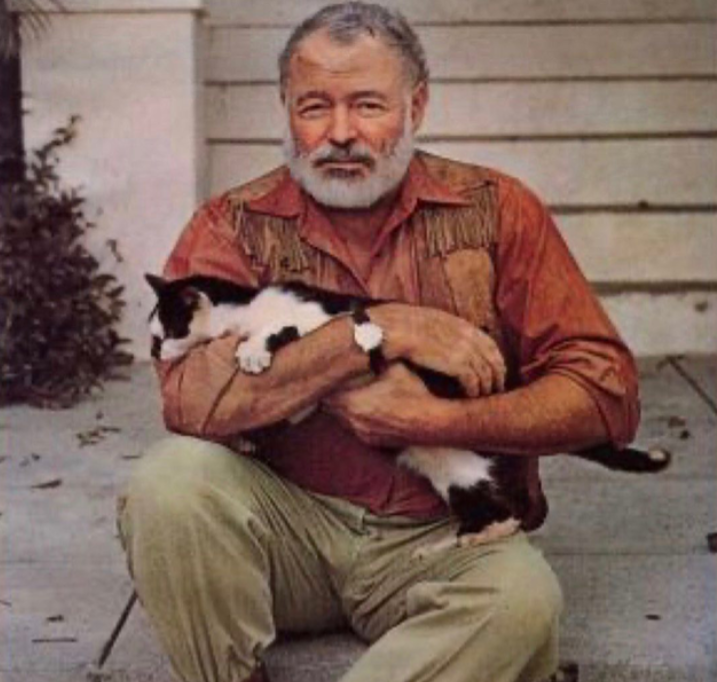
While folklore surrounds polydactyl cats, the trait itself is a naturally occurring genetic variation that has existed for centuries.
🐾 II. Types of Polydactylism
Polydactyl Maine Coons can develop several different paw structures depending on how the extra toes are formed. Some cats display broad “mitten paws” with thumb-like toes, while others develop additional toes across all four feet.
🐾 Mitten Paws
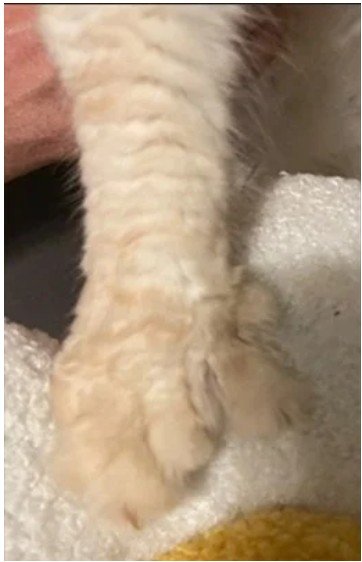
One of the most recognizable forms of polydactylism, mitten paws feature broad front feet with extra thumb-like toes that create a rounded “mitten” appearance.
⚓ Boxer / Thumb Paws
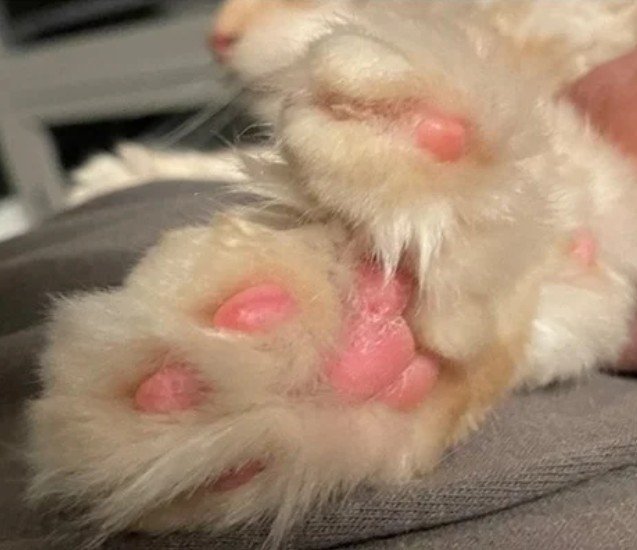
Some polydactyl cats develop pronounced extra digits that resemble small thumbs or boxing gloves.
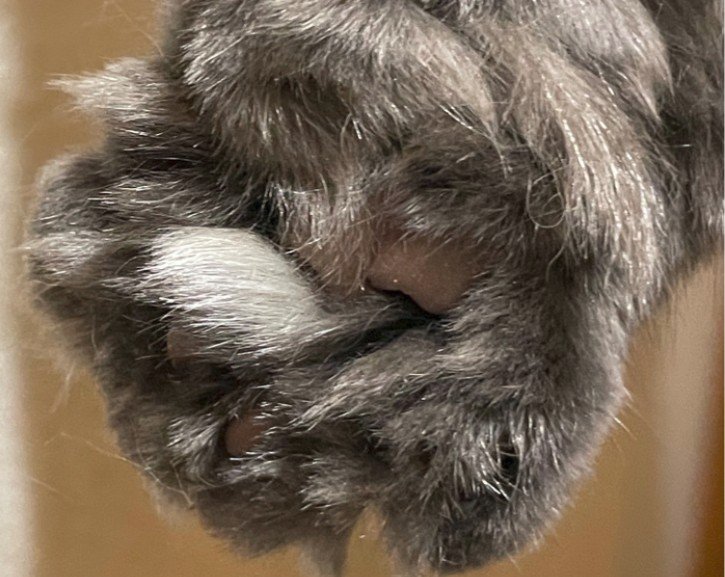
🧭 Front Foot Poly
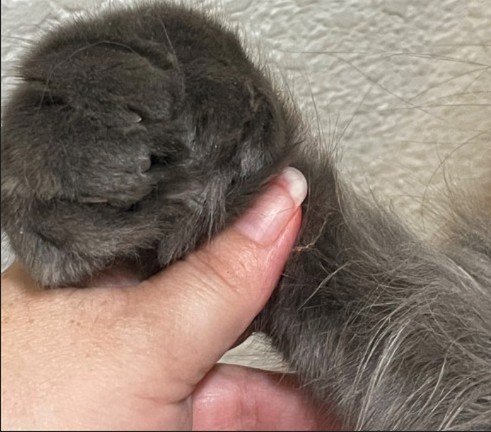
Many polydactyl cats carry extra toes only on their front feet, which is one of the most commonly seen expressions of the trait.
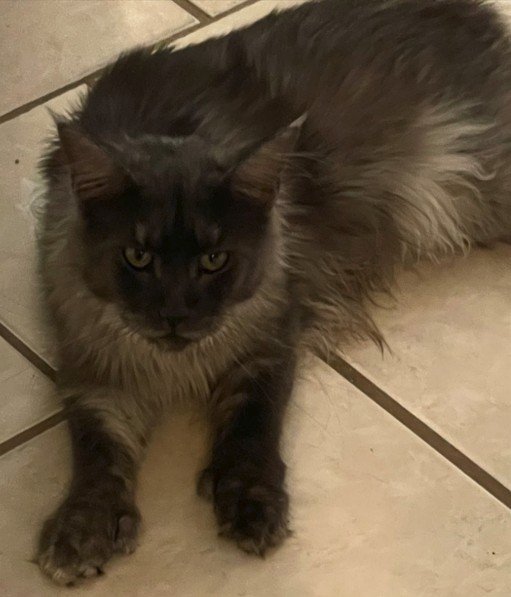
🌊 All Four Poly
Some cats inherit extra toes on all four paws, creating especially broad feet and unique paw shapes.
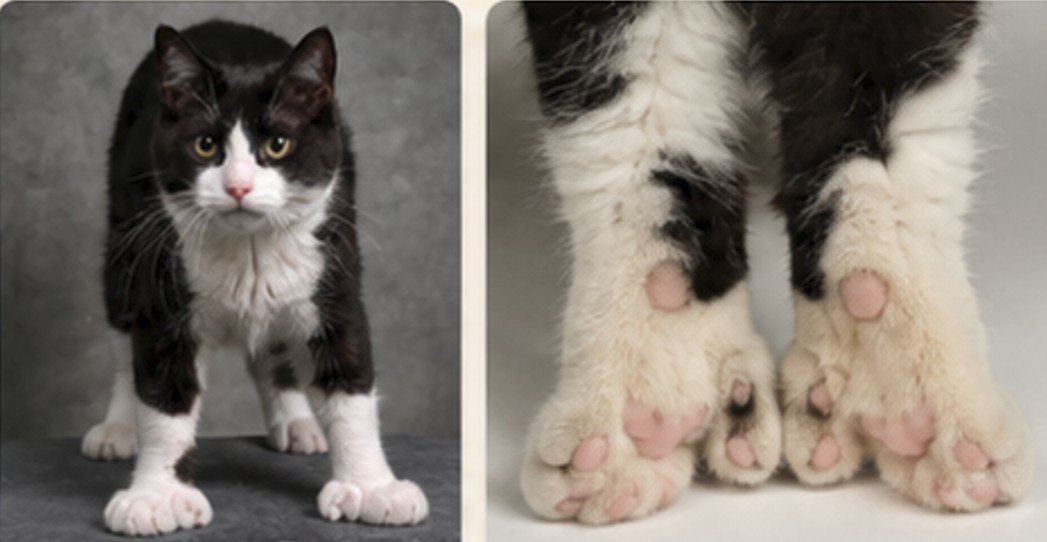
Not all polydactyl paws are structurally identical. Toe count alone does not determine overall quality, balance, or functionality.
✂ III. Care & Considerations
Polydactyl cats are typically healthy, active, and fully capable of living normal lives. However, their unique paw structures do require thoughtful monitoring and routine care, especially in breeding programs where structure and function matter just as much as appearance.
✂ Nail Maintenance
Extra toes can sometimes hide nails within fur or between closely positioned digits. Because of this, routine nail checks are especially important in polydactyl cats.
Hidden nails may become overgrown or ingrown if left untrimmed for long periods. Regular paw handling from kittenhood helps cats become comfortable with nail care and routine examinations.
Breeders and owners should carefully monitor all toes, including smaller thumb-like digits that may not immediately be visible during casual handling.
🐾 Structural Balance
Not all polydactyl structures are equally functional. Toe count alone does not determine overall quality, balance, or long-term soundness.
Well-structured polydactyl paws should remain stable, balanced, and comfortable for the cat during normal movement and weight-bearing activity.
Extremely crowded or poorly aligned toes may create grooming challenges, nail issues, or reduced functionality. Responsible breeding programs prioritize healthy structure over exaggerated appearance.
🛋 Lifestyle & Mobility
Most polydactyl cats live completely normal, active lives and adapt naturally to their unique paw structures.
Many owners describe their polydactyl cats as especially dexterous climbers or surprisingly skilled at gripping toys, blankets, or climbing surfaces.
Individual mobility and coordination can vary slightly depending on paw structure, but healthy polydactyl cats are generally athletic, playful, and highly capable.
🩺 Veterinary Awareness
Not all veterinary professionals encounter polydactyl cats regularly, particularly more complex forms involving multiple extra digits or all-four-paw expression.
During routine examinations, all toes should be carefully counted and checked, including small hidden digits or dewclaw-like structures that may be partially concealed by fur.
Regular wellness exams and consistent nail monitoring help ensure long-term comfort, mobility, and healthy paw function throughout the cat’s life.
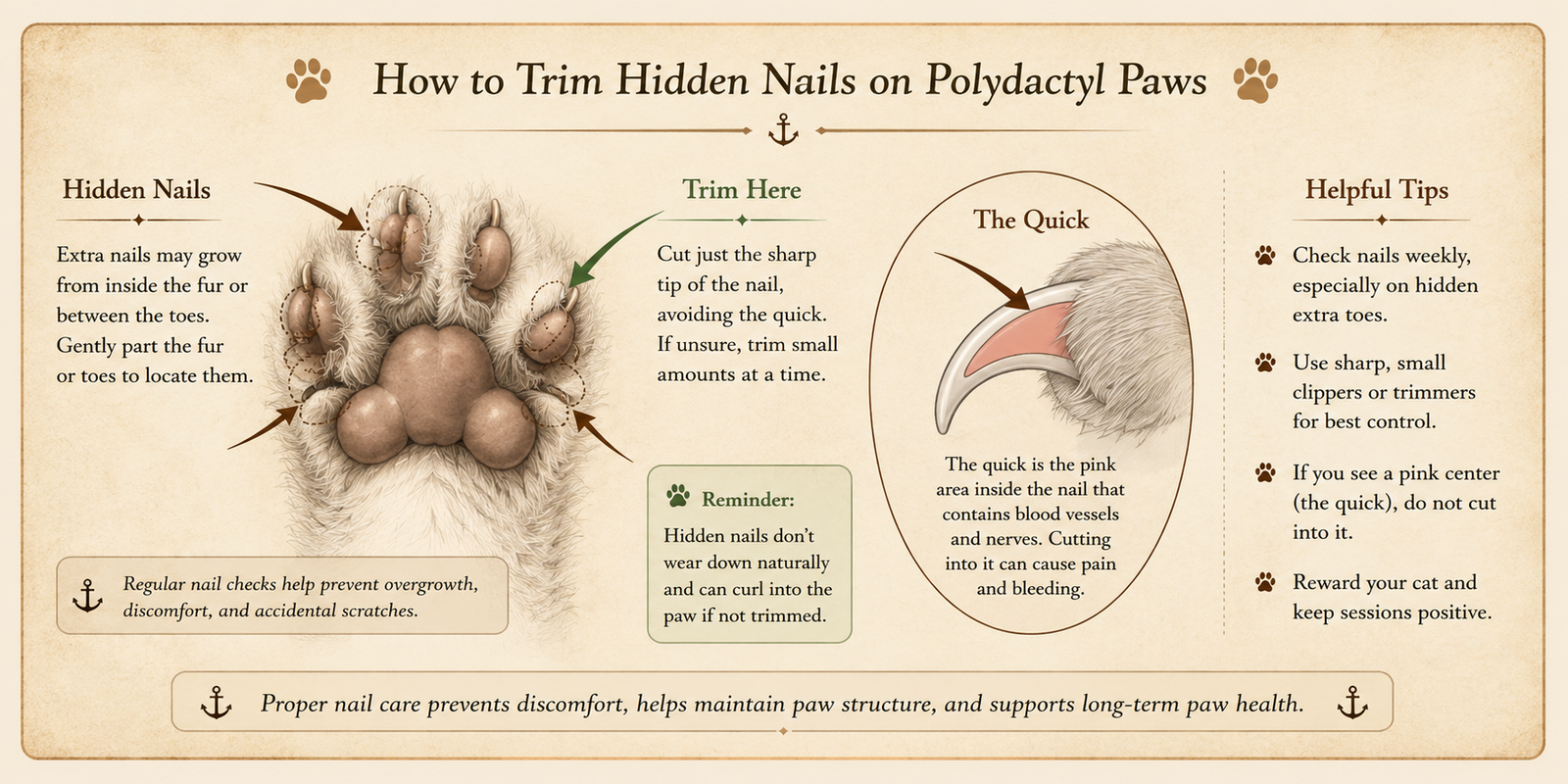
Routine paw handling and nail trimming from an early age helps polydactyl cats remain comfortable with grooming, veterinary exams, and long-term paw maintenance.
⚖ IV. Myths vs Reality
Polydactyl cats are often surrounded by myths, exaggerations, and misunderstandings online. While their unusual paw structures make them visually distinctive, responsible breeding and education should prioritize function, health, and long-term comfort above novelty alone.
❌ Myth: More toes automatically mean higher quality.
Toe count alone does not determine structural quality, balance, or soundness. Well-formed, functional paws are far more important than simply having a large number of toes.
✅ Reality: Polydactyl expression varies significantly.
Not all polydactyl cats develop the same paw structures. Some display mitten paws, some develop thumb-like boxer paws, and others may carry extra toes on only the front feet or on all four paws.
❌ Myth: Polydactyl cats are disabled or unhealthy.
Most healthy polydactyl cats live completely normal, active lives. When responsibly bred and structurally sound, they are typically athletic, playful, and highly adaptable.
✅ Reality: Structure matters more than exaggeration.
Extremely crowded or poorly formed toes may create grooming challenges or nail maintenance issues. Responsible breeding focuses on healthy, functional structure rather than extreme appearance alone.
❌ Myth: All-four-poly cats are always “better.”
Front-foot-only polydactyl expression is extremely common and completely valid. The presence of extra toes on all four feet does not automatically make a cat healthier, rarer, or structurally superior.
✅ Reality: Extra toes require thoughtful monitoring.
Some polydactyl cats may develop hidden nails or tightly positioned digits that benefit from regular nail checks and routine paw handling. Preventive care plays an important role in long-term comfort and mobility.
⚓ Ethical breeding prioritizes health, structure, functionality, and long-term quality of life above novelty alone.